How Worn Bores Affect Machine Performance — And How Line Boring Fixes It
Industrial machines are the backbone of manufacturing, construction, and heavy engineering industries. Over time, even the most robust equipment can suffer from worn bores — a problem that silently undermines performance, increases downtime, and escalates maintenance costs. Understanding the impact of bore wear and the benefits of professional line boring is essential for any business that depends on machinery reliability.
What Are Worn Bores?
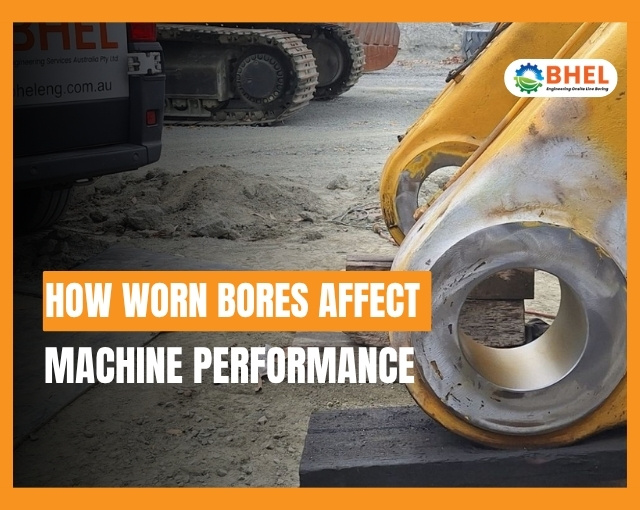
A bore is the cylindrical hole in which a shaft, pin, or other component rotates or slides. Worn bores occur due to:
- Friction over extended use
- Improper lubrication
- Misalignment during operation
- Heavy load or impact stresses
When bores wear unevenly, components like shafts or bearings do not fit snugly. This wear leads to vibration, increased friction, and accelerated damage to other machine parts.
Example: In an industrial excavator, a worn bore in the arm pivot can cause the attachment to wobble, reducing digging accuracy and increasing strain on hydraulic systems.
How Worn Bores Impact Machine Performance
Worn bores may seem minor, but their effects are far-reaching:
- Reduced Efficiency – Loose fits between components reduce mechanical efficiency and lead to energy losses.
- Increased Vibration and Noise – Misaligned parts generate vibration, which can cause fatigue in both machinery and operators.
- Accelerated Wear of Other Components – Bearings, pins, and shafts wear faster when bores are oversized or misaligned.
- Downtime and Maintenance Costs – Frequent breakdowns and part replacements increase operating costs.
- Safety Risks – In heavy machinery, uncontrolled movement due to bore wear can compromise operational safety.
By addressing bore wear proactively, companies can save significant repair costs and extend the lifespan of critical equipment.
What Is Line Boring?
Line boring is a precision machining process that restores worn bores to their original size and alignment. It involves using specialized equipment to machine the bore in situ (without fully disassembling the machine), ensuring:
- Accurate diameter restoration
- Perfect alignment with mating components
- Smooth surface finish for reduced friction
Expert Insight: At BHEL Engineering, our technicians perform line boring using advanced CNC-guided equipment. This ensures every bore is restored to factory specifications, improving machine reliability and operational efficiency.
Benefits of Line Boring for Your Machines
- Restores Precision Fit – Ensures components operate smoothly with minimal play.
- Extends Equipment Life – Prevents premature wear on shafts, pins, and bearings.
- Reduces Energy Losses – Properly aligned bores reduce unnecessary friction and vibration.
- Minimizes Downtime – Faster repairs on-site mean machines return to production quickly.
- Cost-Effective Maintenance – Avoids expensive part replacements and reduces long-term repair costs.
Case Example: A mining client reported frequent hydraulic cylinder failures. After BHEL Engineering performed line boring on the cylinder bores, the machinery operated efficiently with reduced breakdowns — saving thousands in repair costs.
Signs Your Machinery May Need Line Boring
Watch for these common indicators:
- Excessive vibration or noise during operation
- Visible movement in shafts or pins
- Frequent breakdowns of bearings or bushings
- Reduced machine output or efficiency
- Uneven wear patterns on machine components
Early detection allows timely intervention, preventing minor bore wear from turning into major equipment failures.
Why Choose Professional Line Boring Services?
While minor bore wear can sometimes be managed with DIY repairs, professional line boring offers unmatched precision and reliability:
- On-site repairs: Minimal downtime and disruption to operations.
- Advanced machinery: CNC-guided line boring ensures exact dimensions.
- Experienced technicians: Hands-on expertise from years of industrial applications.
- Guaranteed results: Restored equipment performs as designed.
At BHEL Engineering, we combine advanced technology with skilled workmanship to deliver durable, high-precision results.
FAQs About Worn Bores and Line Boring
Q1: How often should I inspect machine bores?
A: Regular inspections every 3–6 months are recommended, depending on usage intensity. Look for vibration, noise, and wear patterns.
Q2: Can line boring be done on-site?
A: Yes, modern line boring machines are portable, allowing repairs without full disassembly, saving both time and cost.
Q3: Is line boring suitable for all machinery types?
A: Line boring works on most industrial machinery, including excavators, loaders, cranes, and manufacturing equipment.
Q4: How long does a line boring service take?
A: Depending on the bore size and wear, most jobs can be completed within a day or two on-site.
Q5: Does line boring improve machine safety?
A: Absolutely. Correctly aligned bores reduce uncontrolled movement and vibration, enhancing operator and equipment safety.
Conclusion & Key Takeaways
Addressing worn bores promptly is crucial for optimal machine performance, reduced downtime, and cost-effective maintenance. Line boring offers a precise, reliable, and professional solution to restore machinery to its original efficiency.
Key Takeaways:
- Worn bores compromise efficiency, safety, and component lifespan.
- Line boring restores precision and alignment, reducing repair costs.
- Early detection prevents minor wear from escalating into major failures.
- Professional services, like BHEL Engineering, ensure accurate, long-lasting results.
Keep your machinery performing at its best. Contact BHEL Engineering today to schedule a professional line boring assessment and prevent costly downtime.