
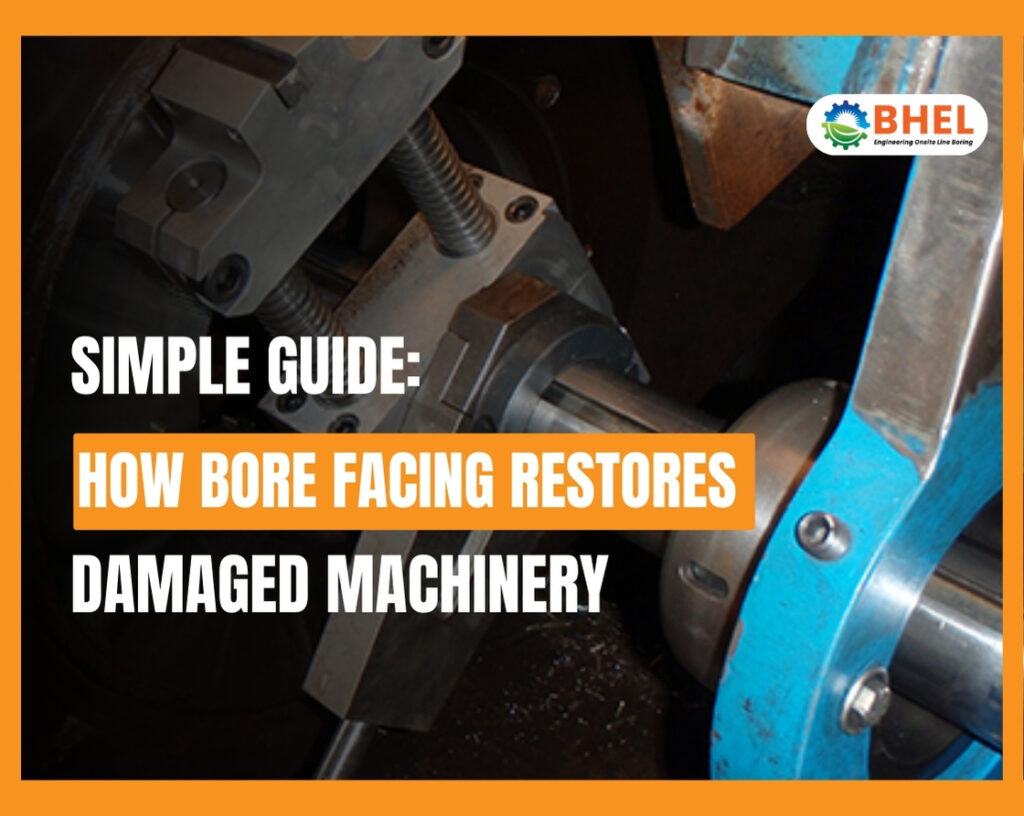
Industrial machinery is the backbone of construction, manufacturing, and mining operations. Over time, heavy-duty machines can develop wear and tear, especially in critical components like bores. Bore facing is a precise machining process that restores worn or damaged bores, improving alignment, reducing vibration, and enhancing overall machine performance.
At BHEL Engineering, we specialize in bore facing services that ensure your machinery operates efficiently, safely, and reliably.
What Is Bore Facing?
Bore facing is a machining process that involves removing a thin layer of material from the face of a bore to restore its flatness and alignment. The goal is to ensure that shafts, pins, and other components fit perfectly, reducing wear and improving operational efficiency.
When a mining excavator’s boom bore starts showing uneven wear, bore facing can restore the surface to factory specifications, preventing stress on hydraulic components and prolonging machine life.
Why Bore Facing Is Important for Your Machinery
Damaged or worn bores can lead to multiple operational problems:
- Misaligned Shafts and Pins – Worn bores cause vibration and uneven load distribution.
- Accelerated Wear on Components – Bearings, bushings, and shafts wear faster when bores are out of alignment.
- Reduced Machine Efficiency – Loose or misaligned components lower productivity and increase energy consumption.
- Increased Downtime and Repair Costs – Ignoring bore damage can lead to major equipment failures.
Bore facing restores proper alignment, reducing these risks and extending the life of your machinery.
How Bore Facing Works
The bore facing process involves:
- Inspection & Measurement – Technicians identify worn areas and measure bore alignment.
- Setup – The machine or component is positioned for accurate facing.
- Machining – A precise cutting tool removes the worn material to restore flatness and correct alignment.
- Finishing & Testing – Components are reinstalled and tested for smooth operation.
A loader experienced uneven bucket movement due to a worn pivot bore. After BHEL Engineering performed bore facing, the pivot fit perfectly, reducing vibration and extending the cylinder lifespan.
Benefits of Bore Facing
Using bore facing for maintenance and repair provides several advantages:
- Precision Restoration – Ensures exact alignment of shafts and pins.
- Reduced Wear and Tear – Prevents premature damage to connected components.
- Minimized Downtime – Quick on-site repairs allow machinery to return to service faster.
- Cost-Effective Maintenance – Extends equipment life, avoiding expensive replacements.
- Improved Safety – Correct alignment reduces operational hazards from uncontrolled movement or vibration.
Signs Your Machinery May Need Bore Facing
Watch for these indicators:
- Excessive vibration or noise during operation
- Visible looseness or misalignment in shafts or pins
- Frequent bearing or bushing failures
- Reduced performance or inconsistent machine output
- Uneven wear patterns on critical components
Early detection allows bore facing to prevent minor wear from turning into major equipment damage.
Conclusion & Key Takeaways
Bore facing is a simple yet highly effective solution to restore worn or damaged machinery. By maintaining proper alignment and reducing wear, bore facing helps businesses improve performance, extend equipment life, and reduce downtime.
Key Takeaways:
- Bore facing restores precision and alignment to worn bores.
- Early intervention prevents major equipment failures and reduces repair costs.
- On-site bore facing minimizes downtime and keeps machinery operational.
- Professional services, like BHEL Engineering, ensure accurate, long-lasting results.
Ensure your machinery operates at peak performance. Contact BHEL Engineering today to schedule a professional bore facing assessment and restore your equipment efficiently.